Have you ever heard someone say, “This is FTL land,” and wondered what they really meant? You’re not alone. Many people enter the real estate market without fully understanding technical terms like FTL. And honestly, that’s where confusion begins.
In simple words, FTL land refers to land that has a clear and marketable title, meaning the ownership is legally verified and free from disputes. It’s like buying a phone with an original bill and warranty—safe, reliable, and trustworthy.
With rising interest in property investment, understanding FTL land has become more important than ever.
Understanding the Meaning of FTL Land
Full Form of FTL
FTL usually stands for “Free Title Land” or “Full Title Land.” In both cases, the meaning remains almost the same: land with complete ownership rights.
Legal Definition of FTL Land
Legally, FTL land means the owner has:
- Absolute ownership
- Proper registration
- No pending legal disputes
- Clear revenue records
Think of it as a “clean slate” property—no hidden surprises.
Types of Land Ownership
Before diving deeper, let’s understand how land ownership works.
Freehold Land
Freehold land gives you permanent ownership. You can sell, lease, or develop it freely.
Leasehold Land
This land is given on lease for a fixed period, like 30 or 99 years.
Government Land
Owned by the government and usually restricted for private use.
FTL Land Explained
FTL land is usually freehold land with verified documents and zero disputes.
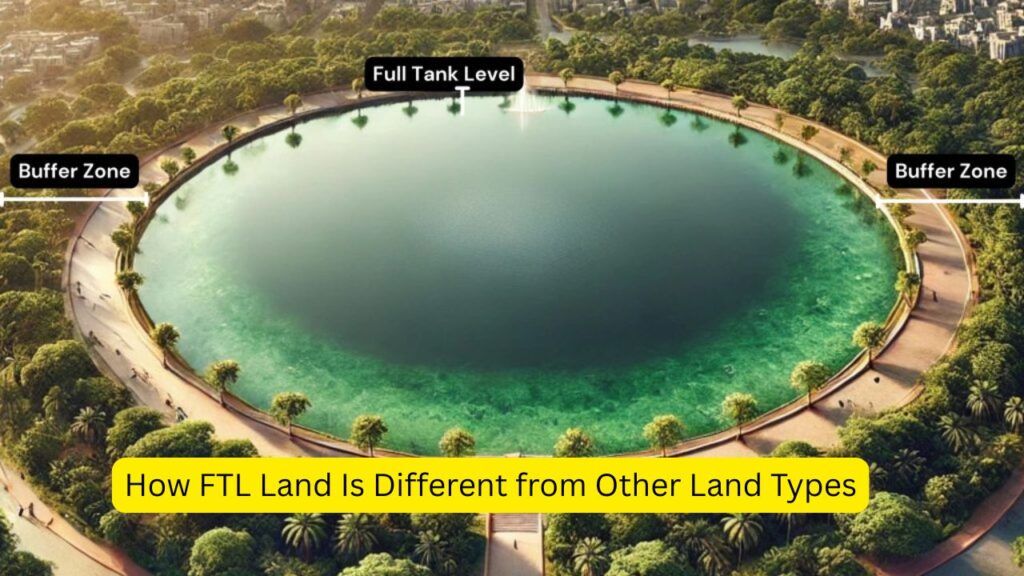
How FTL Land Is Different from Other Land Types
FTL vs Freehold
Most FTL lands are freehold, but not all freehold lands are FTL. Why? Because some may have disputes.
FTL vs Leasehold
FTL gives you full ownership. Leasehold gives temporary rights.
FTL vs Agricultural Land
Agricultural land may have usage restrictions. FTL land is usually non-agricultural and approved for development.
Legal Status of FTL Land
Registration Process
FTL land must be registered with the local sub-registrar office.
Title Deed Importance
The title deed proves ownership. Without it, your claim is weak.
Revenue Records
Records like Patta, Khata, or RTC confirm government recognition.
Where Is FTL Land Commonly Found?
Urban Areas
Most city plots with proper layouts are FTL.
Semi-Urban Regions
Developing towns often offer affordable FTL land.
Industrial Zones
Approved industrial plots are also FTL.
Uses of FTL Land
Residential Use
You can build houses, apartments, or villas.
Commercial Use
Ideal for shops, offices, and malls.
Industrial Use
Suitable for factories and warehouses.
Advantages of Buying FTL Land
Ownership Security
No legal stress. Peace of mind.
Investment Value
FTL land appreciates faster.
Easy Resale
Buyers prefer clear-title properties.
Disadvantages and Risks of FTL Land
Legal Disputes
Fake FTL claims exist. Be careful.
High Cost
FTL lands are usually expensive.
Documentation Issues
Missing papers can create problems.
Documents Required for FTL Land
Sale Deed
Shows property transfer.
Encumbrance Certificate
Confirms no loans or disputes.
Patta and Khata
Government ownership proof.
Tax Receipts
Shows tax compliance.
How to Verify FTL Land Before Buying
Checking Government Records
Verify online land portals.
Legal Verification
Hire a property lawyer.
Site Inspection
Visit the site personally.
Process of Buying FTL Land
Finding the Right Property
Choose location and budget.
Agreement to Sell
Sign legal agreement.
Registration
Register at sub-registrar office.
Possession
Take physical control.
Cost Involved in Purchasing FTL Land
Stamp Duty
3%–7% (varies by state)
Registration Fees
Around 1%
Brokerage Charges
1%–2% (if applicable)
Investment Potential of FTL Land
Long-Term Growth
Land never depreciates.
Rental Opportunities
Commercial FTL land earns rent.
Development Scope
Build and sell later.
Common Myths About FTL Land
All FTL Land Is Risk-Free
False. Verification is still needed.
FTL Means Government Approved
Not always. Approval must be checked.
Tips for First-Time Buyers
Budget Planning
Include hidden costs.
Hiring a Lawyer
Saves future trouble.
Avoiding Scams
Never rush decisions.
Future of FTL Land in India
Urban Expansion
Cities are growing rapidly.
Infrastructure Growth
Roads, metros, and airports boost land value.
FTL land will remain a strong investment choice in the coming years.
Conclusion:-
So, what is FTL land? In simple terms, it is land with a clear, legal, and dispute-free title. It offers security, better returns, and peace of mind. While it may cost more, the safety and long-term benefits make it worth every rupee.
If you’re planning to invest in property, choosing FTL land is like choosing a safe road instead of a risky shortcut. Smart investors always prefer clarity over confusion.
FAQs:-
1. Is FTL land safe to buy?
Yes, if properly verified, FTL land is one of the safest property investments.
2. Can agricultural land be FTL?
Usually no, unless converted to non-agricultural and legally approved.
3. Is FTL land more expensive?
Yes, because of clear ownership and high demand.
4. Do I still need a lawyer for FTL land?
Absolutely. Legal verification is always recommended.
5. Can FTL land be used for commercial purposes?
Yes, if zoning laws allow commercial use.