Coorg, officially known as Kodagu, is one of those places that feel like nature took extra time in creating them. Calm, green, and endlessly soothing, this hill district of Karnataka has earned many nicknames.
But the most poetic and widely used one is “The Land of Rolling Hills.” Ever wondered why? Let’s unpack the story behind this beautiful name.
Where Is Coorg Located?
Coorg lies in the heart of the Western Ghats in southern India. It sits comfortably between Mysuru and the coastal regions of Karnataka, blessed with high altitude, abundant rainfall, and thick forests. Its location plays a massive role in shaping its soft, undulating terrain.
A Quick Snapshot of Coorg’s Natural Beauty
Think of Coorg as a green carpet laid gently over the earth. No sharp edges. No dramatic cliffs. Just smooth hills rising and falling like slow ocean waves frozen in time.
Understanding the Term “Rolling Hills”
Before going deeper, let’s pause and understand the phrase itself.
What Are Rolling Hills?
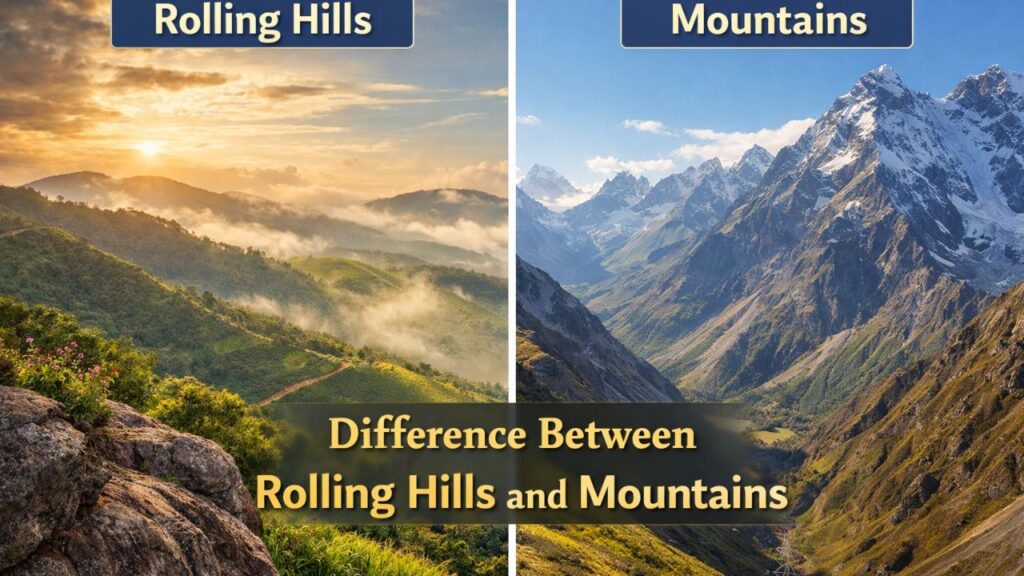
Rolling hills are landscapes made up of gentle slopes, rounded elevations, and shallow valleys. They don’t rise suddenly like mountains, and they don’t lie flat like plains. Instead, they flow.
Difference Between Rolling Hills and Mountains
Mountains are bold and dramatic. Rolling hills are subtle and calming. Coorg falls into the second category. Its hills rise gradually, curve softly, and descend just as smoothly—hence the term “rolling.”
The Geography Behind Coorg’s Rolling Hills
Geography is the real hero of this story.
Western Ghats and Their Influence
Coorg is part of the Western Ghats, one of the oldest mountain ranges in the world. Over millions of years, erosion wore down sharp peaks into rounded hills, giving Coorg its signature look.
Elevation and Terrain Patterns
Most areas in Coorg sit between 900 to 1,700 meters above sea level. This moderate elevation prevents extreme peaks and creates a consistently rolling terrain.
How Coorg’s Landscape Was Formed
Nature didn’t rush here.
Geological History of Coorg
The rocks beneath Coorg are ancient. Over time, wind, water, and vegetation softened the land. What was once rugged slowly transformed into smooth curves.
Role of Erosion and Climate
Heavy rainfall, especially during monsoons, played a huge role. Rainwater gently sculpted the land, rounding off hills instead of breaking them apart.
Endless Waves of Green Hills
This is where the magic really kicks in.
Visual Appeal of Coorg’s Hills
From any viewpoint, Coorg looks like a sea of green waves. Hills stretch endlessly, one after another, without harsh interruptions.
Why the Hills Look Like Natural Waves
Uniform erosion and dense vegetation make the hills appear continuous, almost rhythmic. It’s nature’s version of a calm heartbeat.
Coffee Plantations and Rolling Hills
Coffee didn’t just grow on these hills—it blended into them.
How Coffee Farming Shapes the Land
Coffee plantations follow the natural curves of the hills. No flattening. No cutting. Just adapting.
Hills Covered in Coffee and Spice Estates
Pepper vines, cardamom plants, and coffee bushes hug the slopes, enhancing the rolling effect rather than disturbing it.
Forests That Enhance the Rolling Terrain
Forests are Coorg’s green crown.
Dense Evergreen Forests
Thick forests blanket the hills, hiding sharp edges and making slopes appear smoother.
Wildlife and Natural Vegetation
Elephants, deer, birds, and countless plant species thrive here, all supported by this gentle terrain.
Rivers and Valleys Adding Depth
Rolling hills don’t exist alone.
Origin of Major Rivers in Coorg
The River Kaveri begins its journey in Coorg. Along with several streams, it cuts soft valleys between hills.
How Valleys Break and Shape the Hills
These valleys add depth and dimension, making the hills rise and fall more gracefully.
Mist, Clouds, and Monsoons
Atmosphere matters.
How Weather Softens the Landscape
Morning mist wraps around hills, blurring lines and enhancing the rolling illusion.
The Role of Rain in Smoothing Hills
Regular rainfall keeps erosion slow and even, maintaining gentle slopes.
Why Coorg Looks Different from Other Hill Stations
Not all hill stations are created equal.
Comparison with Ooty and Munnar
While Ooty and Munnar have steeper peaks, Coorg feels calmer. Less dramatic, more soothing.
Gentle Slopes vs Sharp Peaks
That’s the real difference—and the reason behind the name.
Cultural Connection to the Land
The land shapes the people too.
Kodava Community and the Hills
The native Kodava people have lived in harmony with these hills for centuries.
Farming and Lifestyle Shaped by Terrain
Terraced farming, estate living, and forest conservation all stem from the rolling nature of the land.
Tourism and the Rolling Hills
Tourists don’t just visit Coorg—they slow down there.
Why Tourists Fall in Love with Coorg
The rolling hills create a sense of peace that’s hard to describe but easy to feel.
Best Viewpoints to See Rolling Hills
Raja’s Seat, Mandalpatti, and Talacauvery offer jaw-dropping views of these endless waves.
Photography and Scenic Beauty
Camera loves Coorg.
Why Coorg Is a Photographer’s Paradise
Light, shadow, mist, and curves—everything aligns perfectly.
Best Seasons for Capturing Rolling Hills
Post-monsoon and winter months are ideal for crystal-clear views.
Environmental Importance of Rolling Hills
Beauty with purpose.
Biodiversity and Ecosystem Balance
Rolling hills support water retention, soil health, and biodiversity.
Conservation Challenges
Urbanization and tourism must be balanced carefully to protect this fragile terrain.
Final Thoughts on Coorg’s Identity
More Than Just a Scenic Name
Coorg isn’t called the Land of Rolling Hills just because it looks good in photos. It’s a name rooted in geography, history, culture, and emotion. These hills don’t just roll—they breathe, nurture, and calm anyone who steps into their embrace.
Conclusion:-
Coorg earns its title as the Land of Rolling Hills through a perfect blend of geography, climate, vegetation, and human harmony. Its softly undulating terrain sets it apart from other hill stations, offering not drama, but deep peace. If mountains shout, Coorg’s hills whisper—and that’s exactly why they stay with you long after you leave.
FAQs:-
1. Why is Coorg famous for rolling hills?
Because of its gentle slopes, rounded terrain, and uniform elevation shaped by the Western Ghats.
2. Are Coorg’s hills natural or man-made?
Completely natural, formed over millions of years through erosion and climate.
3. Is Coorg a mountain region?
It’s a hilly region, not mountainous, which is why the hills appear smooth and rolling.
4. When is the best time to see Coorg’s rolling hills?
October to February offers the clearest and most scenic views.
5. Do coffee plantations affect Coorg’s landscape?
Yes, positively. They follow the natural curves of the hills and enhance their rolling appearance.