Land is more than just soil beneath our feet. It is the foundation of life, civilization, and economic growth. From farms and forests to cities and factories, land supports almost everything we do. Think of land as a stage where the entire drama of human life unfolds.
Why Do We Classify Land?
Imagine trying to manage a library without sorting books. Chaos, right? The same applies to land. Classification helps governments, businesses, farmers, and citizens understand how land can be used, protected, and developed.
Importance of Understanding Land Types
For Agriculture
Farmers need to know whether land is suitable for crops, grazing, or plantations. Different soils and terrains produce different results.
For Real Estate
Buyers and investors must understand if land is residential, commercial, or agricultural before making decisions.
For Environmental Protection
Knowing land types helps protect forests, wetlands, and wildlife habitats from destruction.
Major Categories of Land
Land is generally divided into several main categories:
Agricultural Land
Used for farming, crops, and livestock.
Residential Land
Used for housing and living purposes.
Commercial Land
Used for business and trade.
Industrial Land
Used for factories and production units.
Forest Land
Covered with trees and vegetation.
Recreational Land
Used for parks, sports, and tourism.
These categories form the backbone of land classification.
Agricultural Land Types
Agricultural land is the lifeline of food production.
Cropland
This land is used to grow crops like wheat, rice, corn, and vegetables. It is carefully managed and fertilized.
Pasture Land
Used for grazing animals such as cows, goats, and sheep.
Plantation Farming (H4)
Large areas are used for single crops like tea, coffee, or rubber.
Mixed Farming (H4)
Crops and livestock are raised together, making land more productive.
Residential Land Types
Residential land is where people build their homes and lives.
Urban Residential
Located in cities, these areas include apartments, flats, and housing societies.
Rural Residential
Found in villages and countryside, usually with more open space.
Suburban Residential
Located between cities and rural areas, offering a balance of both worlds.
Commercial Land Types
Commercial land supports economic activities.
Retail Zones
Shops, malls, and markets operate here.
Office Spaces
Used for corporate offices and business centers.
Hospitality Areas
Hotels, resorts, and restaurants fall under this category.
Industrial Land Types
Industrial land is the engine of manufacturing.
Heavy Industry Zones
Includes steel plants, chemical factories, and power stations.
Light Industry Zones
Small-scale industries like electronics or garment factories.
Warehousing Areas
Used for storage and logistics.
Forest and Wildlife Land
These lands protect nature and biodiversity.
Reserved Forests
Strictly protected areas under government control.
Protected Forests
Limited human activity is allowed.
Wildlife Sanctuaries
Homes for animals and birds.
They act like Earth’s lungs, supplying oxygen and balance.
Barren and Wasteland
Not all land is productive.
Desert Land
Dry and sandy, with very little vegetation.
Rocky Terrain
Hills and rocky regions unsuitable for farming.
Unproductive Soil
Soil that lacks nutrients.
Such land is often challenging to use but can sometimes be improved.
Wetlands and Water-Based Land
These lands are vital for water conservation.
Marshes
Wet areas with grasses and plants.
Swamps
Waterlogged land with trees.
Coastal Wetlands
Found near seas and oceans.
They act like natural sponges, preventing floods.
Government and Public Land
Owned and managed by the state.
Defense Land
Used for military purposes.
Public Parks
Open spaces for recreation.
Institutional Land
Used for schools, hospitals, and offices.
Land Classification by Ownership
Private Land
Owned by individuals or companies.
Public Land
Owned by the government.
Community Land
Shared by villages or groups.
Ownership decides who controls and benefits from the land.
Land Based on Usage Rights
Freehold Land
Complete ownership rights.
Leasehold Land
Land leased for a fixed period.
Agricultural Tenancy
Land rented for farming.
Usage rights determine how land can be utilized.
Land Based on Legal Status
Registered Land
Properly documented and legal.
Unregistered Land
No official records.
Disputed Land
Under legal conflict.
Legal status is crucial before buying land.
Land Based on Soil and Geography
Alluvial Land
Found near rivers, very fertile.
Black Soil Land
Ideal for cotton and crops.
Mountain Land
Hilly areas with limited cultivation.
Soil and geography decide productivity.
Modern Trends in Land Use
Smart Cities
High-tech urban planning.
Green Zones
Eco-friendly areas with trees.
Industrial Corridors
Special zones for industries.
Modern land use focuses on sustainability and efficiency.
How to Identify the Type of Land
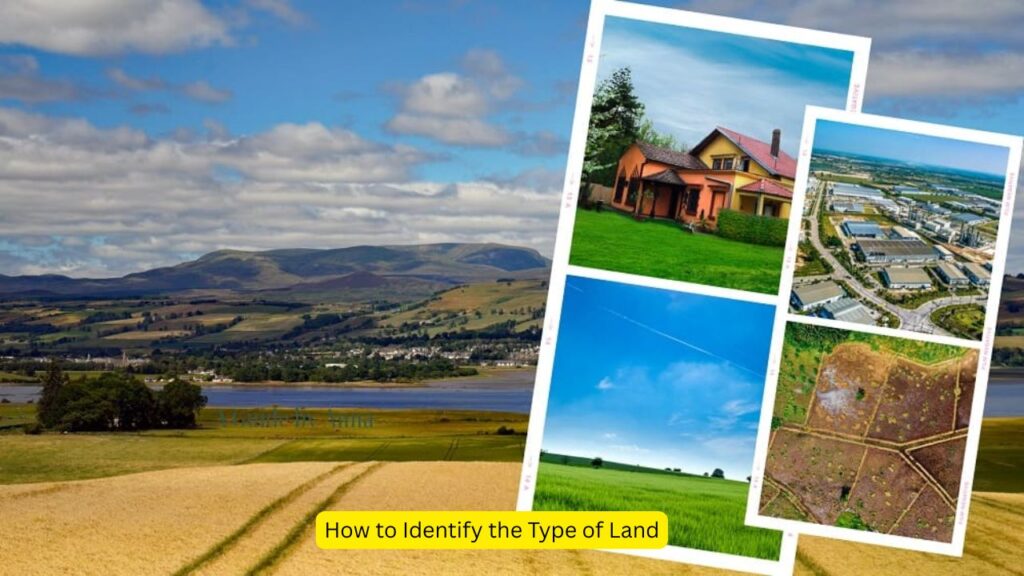
Land Records
Check official documents.
Government Portals
Online platforms provide data.
Professional Survey
Experts measure and verify land.
Proper identification avoids legal trouble.
Challenges in Land Classification
Illegal Encroachment
Unauthorized occupation of land.
Climate Change Impact
Floods and droughts affect land.
Urban Expansion
Cities consume farmland.
These challenges make land management difficult.
Future of Land Management
Sustainable Development
Balancing growth and nature.
Digital Land Mapping
Using technology for accuracy.
Eco-Friendly Planning
Reducing environmental damage.
The future lies in smart and responsible land use.
Read also:-
Conclusion:-
Land is not just a piece of earth—it is the backbone of human survival and progress. From agricultural fields and residential colonies to forests and wetlands, every type of land plays a unique role.
Understanding how many types of land exist helps us make better decisions in farming, business, housing, and environmental protection. Just like different organs in a body, each land type has its own function. When managed wisely, land becomes a source of prosperity and sustainability for generations to come.
Frequently Asked Questions (FAQs)
1. How many main types of land are there?
There are generally six main types: agricultural, residential, commercial, industrial, forest, and recreational land.
2. Why is land classification important?
It helps in proper planning, legal safety, environmental protection, and economic development.
3. Can agricultural land be converted into residential land?
Yes, but it requires government permission and legal procedures.
4. What is the most fertile type of land?
Alluvial land is considered one of the most fertile types.
5. How can I check my land type?
You can check through land records, government portals, or professional surveys.