Saline land looks like a lost cause. White crust on the surface, cracked earth beneath, and not a single healthy crop in sight. For centuries, such land was dismissed as useless. But history changed when vision met science. One name stands tall in this transformation story—Dr. M. S. Swaminathan, the man who didn’t just feed India but also taught it how to heal its land.
Let’s unpack how saline wastelands were turned into thriving eucalyptus forests and why this decision reshaped land reclamation forever.
Understanding Saline Land
What Is Saline and Alkaline Soil?
Saline soil contains excess soluble salts, while alkaline soil has high sodium content. Both are silent killers for crops. Seeds don’t germinate well, roots can’t breathe, and plants die young. Imagine trying to drink seawater when you’re thirsty—that’s how crops feel in saline soil.
Why Saline Land Is Considered Barren
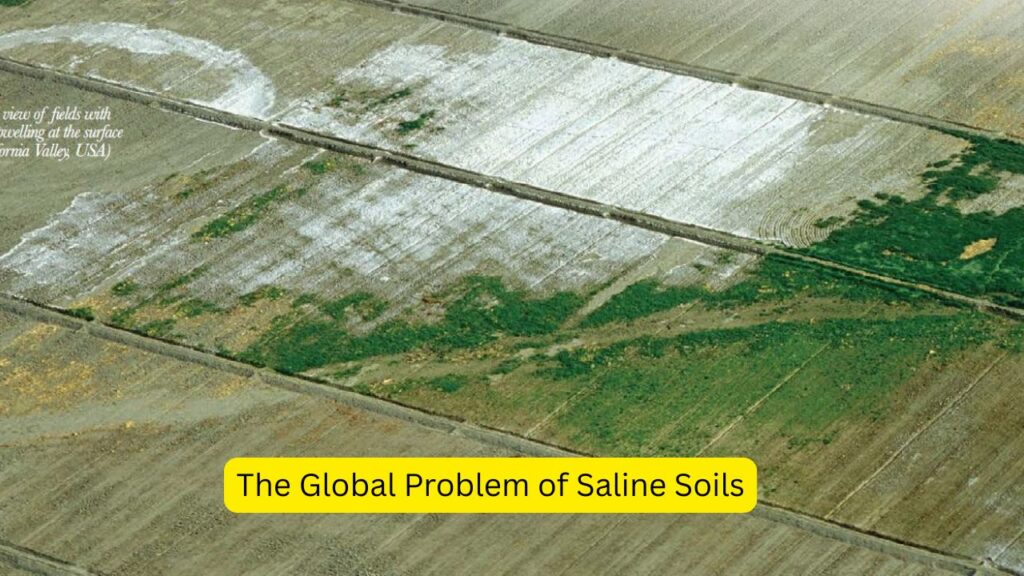
High salt levels disrupt water absorption in plants. Over time, the soil becomes compacted and lifeless. Farmers call it “white death” because of the salt layer that forms on top.
The Global Problem of Saline Soils
Salinity and Agriculture Crisis
Globally, over 800 million hectares of land are affected by salinity. That’s not just a soil issue—it’s a food security crisis knocking on humanity’s door.
Impact on Farmers and Rural Economy
For farmers, saline land means debt, migration, and despair. No crops, no income. Many villages were abandoned simply because the land gave up.
The Turning Point in Land Reclamation
Introduction of Tree-Based Solutions
Instead of fighting salinity with chemicals alone, scientists explored nature’s own tools—trees. Deep-rooted, resilient, and patient.
Why Trees Work Better Than Crops
Trees don’t complain. They adapt. Their roots go deep, draw excess water, and slowly improve soil structure.
Why Eucalyptus Was Chosen
Unique Characteristics of Eucalyptus
Eucalyptus grows fast, tolerates harsh conditions, and survives where crops fail. Think of it as the marathon runner of the plant world—steady, strong, and unstoppable.
Salt Tolerance and Fast Growth
Its roots lower the water table, which prevents salts from rising to the surface. Less salt on top means better soil over time.
The Visionary Behind the Transformation
Dr. M. S. Swaminathan – The Green Revolution Pioneer
Known for the Green Revolution, Dr. Swaminathan also believed in ecological agriculture. His vision went beyond yield—it was about sustainability.
His Idea of Ecological Agriculture
He promoted eucalyptus under social forestry programs to reclaim wastelands without harming food security.
Eucalyptus and Saline Land in India
Social Forestry Movement
During the 1970s and 1980s, eucalyptus plantations expanded across saline and alkaline lands in India, especially in Punjab, Haryana, and Uttar Pradesh.
Large-Scale Plantation on Wastelands
Government-backed programs encouraged farmers to plant eucalyptus on land where nothing else would grow.
How Eucalyptus Improves Saline Soil
Lowering Water Tables
Salinity often rises with groundwater. Eucalyptus drinks deeply, lowering water tables and stopping salt accumulation.
Reducing Soil Salinity Over Time
Over years, soil structure improves, organic matter increases, and microbial life slowly returns.
Case Studies of Transformed Lands
Punjab, Haryana, and Uttar Pradesh
Once barren fields now host tall eucalyptus rows. What was white with salt is now green with life.
From White Crust to Green Cover
Farmers who once abandoned land now harvest timber every 6–8 years. That’s not magic—it’s science.
Economic Benefits of Eucalyptus Forests
Timber, Pulp, and Paper Industry
Eucalyptus feeds paper mills, plywood factories, and biomass plants.
Extra Income for Farmers
For many farmers, eucalyptus became a financial safety net—low input, assured returns.
Environmental Benefits
Carbon Sequestration
Fast-growing trees absorb carbon dioxide quickly, helping fight climate change.
Preventing Soil Erosion
Root systems bind soil, reducing wind and water erosion on degraded land.
Criticism and Controversy
Water Consumption Debate
Critics argue eucalyptus consumes too much water. The truth? Any fast-growing tree uses water—but on saline land, lowering water tables is actually beneficial.
Monoculture Concerns
Planting only eucalyptus isn’t ideal. Diversity matters.
Balanced View on Eucalyptus Plantation
Scientific Plantation vs Blind Plantation
Eucalyptus works best on degraded and saline lands, not fertile cropland.
Right Tree at the Right Place
When planted wisely, eucalyptus is a healer, not a villain.
Role of Government and Institutions
ICAR and Agricultural Universities
Research institutions developed salt-tolerant eucalyptus varieties suited for Indian soils.
Policy Support for Saline Land Reclamation
Subsidies and awareness programs helped scale adoption.
Global Inspiration from India
Lessons for Other Countries
Countries in Africa and Australia adopted similar models after India’s success.
Eucalyptus as a Reclamation Tool
It became a global symbol of turning ecological problems into opportunities.
Future of Saline Land Transformation
Combining Trees with Technology
Remote sensing, soil mapping, and improved clones are shaping the future.
Sustainable Agroforestry Models
Mixing eucalyptus with grasses and crops ensures balance and biodiversity.
Read also:-
Conclusion:-
So, who transformed saline land by growing eucalyptus forests? The answer lies in a mix of visionary leadership, scientific thinking, and nature-based solutions, led prominently by Dr. M. S. Swaminathan. Eucalyptus didn’t just grow trees—it restored hope, revived land, and redefined what “barren” really means. When science walks hand in hand with nature, even salt can give birth to forests.
FAQs:-
1. Who first promoted eucalyptus for saline land in India?
Dr. M. S. Swaminathan played a key role through ecological and social forestry programs.
2. Can eucalyptus really grow on saline soil?
Yes, it tolerates salinity better than most crops and trees.
3. Does eucalyptus improve soil quality?
Over time, it helps reduce surface salinity and improves soil structure.
4. Is eucalyptus harmful to groundwater?
When planted on saline land, lowering the water table is actually beneficial.
5. Is eucalyptus plantation profitable for farmers?
Yes, it provides steady income with minimal maintenance.