When you hear the phrase “Land of Sandalwood,” one Indian state instantly comes to mind—Karnataka. But have you ever wondered why this title is so deeply associated with it? Is it just about trees? Or is there a larger story rooted in history, culture, economy, and spirituality?
The truth is, Karnataka’s connection with sandalwood is not accidental—it’s a legacy shaped over centuries.
The Cultural and Natural Richness of Karnataka
Karnataka is a land of diverse landscapes, ancient temples, royal heritage, and lush forests. Among its many natural treasures, sandalwood stands out like a crown jewel.
Origin of the Title “Land of Sandalwood”
The abundance of high-quality sandalwood trees and their historical cultivation made Karnataka the largest producer of Indian sandalwood for generations. Over time, this association became so strong that the nickname stuck permanently.
What Is Sandalwood?
Understanding the Sandalwood Tree (Santalum Album)
Sandalwood comes from the tree species Santalum album, known for its fragrant heartwood. Unlike ordinary timber, sandalwood is prized not for construction but for its aroma, oil, and spiritual significance.
Why Sandalwood Is So Valuable
Think of sandalwood as the “gold of the forest.” Its oil is one of the most expensive natural extracts in the world, widely used in:
- Luxury perfumes
- Incense sticks
- Ayurvedic medicines
- Cosmetics
- Religious rituals
Historical Connection Between Karnataka and Sandalwood
Ancient Trade and Royal Patronage
Sandalwood has been cultivated in Karnataka for over 2,000 years. Ancient kingdoms recognized its value early and regulated its trade.
Use in Temples, Rituals, and Ayurveda
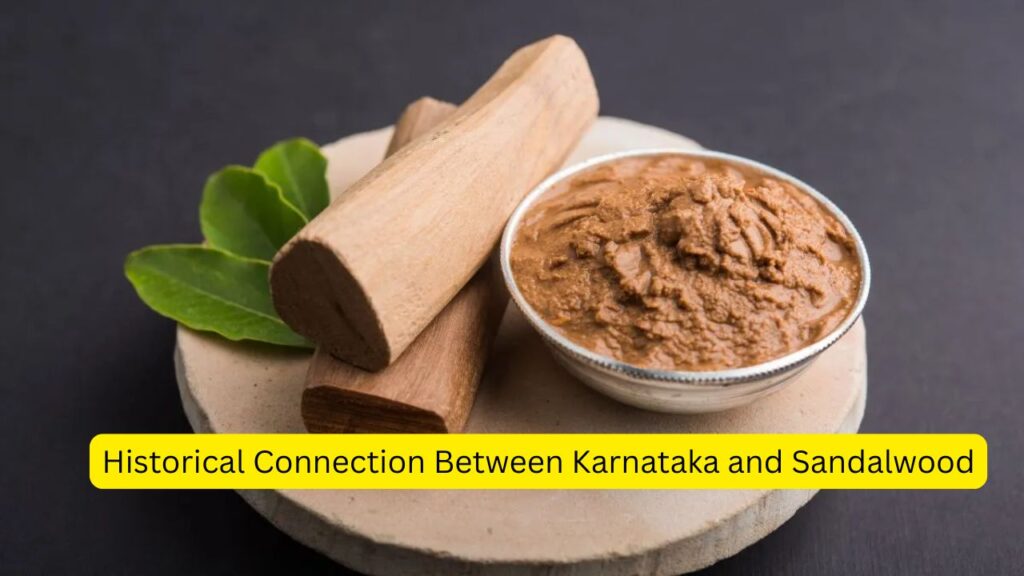
Sandalwood paste was used in temples to anoint deities, cool the skin, and symbolize purity. Ayurveda described it as a healing ingredient long before modern science studied its properties.
Ideal Climate and Geography of Karnataka
Soil and Weather Conditions Perfect for Sandalwood
Sandalwood trees require very specific conditions to grow—semi-arid climate, well-drained soil, and moderate rainfall. Karnataka offers this natural balance perfectly.
Natural Growth Regions Like Mysuru and Surroundings
Districts such as:
- Mysuru
- Hassan
- Shivamogga
- Chamarajanagar
became natural hubs for sandalwood forests.
Mysuru – The Heart of Sandalwood Heritage
Role of the Wodeyar Dynasty
The rulers of Mysuru protected sandalwood as a royal resource. They controlled its harvesting and ensured only skilled artisans used it.
Mysuru Sandalwood’s Global Fame
Under royal supervision, Mysuru sandalwood gained an international reputation for its unmatched fragrance and purity.
Sandalwood in Karnataka’s Economy
Government Regulation and Protection
Unlike other trees, sandalwood was historically owned by the state—even if it grew on private land. Why? Because of its immense value.
Contribution to State Revenue
For decades, sandalwood exports were a significant source of income for Karnataka, strengthening its economy.
The Craftsmanship Behind Sandalwood Products
Traditional Carving Art
Karnataka’s artisans transformed sandalwood into masterpieces—intricately carved statues, jewelry boxes, fans, and decorative items.
Incense, Oils, and Handicrafts
Sandalwood oil extraction became a refined industry, supplying fragrance houses worldwide.
Religious and Spiritual Importance
Use in Hindu Rituals
Sandalwood paste is applied on the forehead during prayers as a mark of peace and devotion.
Symbol of Purity and Devotion
Its cooling nature symbolizes calmness, spirituality, and inner balance.
Karnataka’s Sandalwood Industry
Karnataka Soaps and Detergents Limited (KSDL)
The state established factories to process sandalwood scientifically and prevent exploitation.
Famous Mysore Sandal Soap
Introduced in 1916, this iconic soap became globally known for using pure sandalwood oil—something very few products can claim even today.
Conservation Efforts and Legal Protection
Why Sandalwood Is Protected by Law
Due to overharvesting and smuggling, the government imposed strict laws on sandalwood cutting and transport.
Preventing Smuggling and Illegal Harvesting
Sandalwood became one of the most guarded natural resources in India, sometimes called “green gold.”
Global Demand for Karnataka Sandalwood
Export Markets and Luxury Perfume Industry
High-end perfume brands rely on Indian sandalwood for its long-lasting fragrance.
Why Indian Sandalwood Is Superior
Compared to other varieties, Karnataka sandalwood contains higher oil content and richer aroma.
Challenges Faced by the Sandalwood Legacy
Smuggling and Scarcity
Its high value led to illegal trade, reducing natural populations over time.
Environmental Concerns
Deforestation and slow growth cycles made conservation essential.
Revival Through Sustainable Cultivation
Government Policies Encouraging Farmers
Recent reforms now allow private cultivation, encouraging farmers to grow sandalwood legally.
Modern Plantation Techniques
Scientific methods ensure better yield while protecting biodiversity.
Cultural Symbolism of Sandalwood in Karnataka
Representation in Art, Music, and Literature
Sandalwood is often mentioned in Kannada poetry and folklore as a symbol of grace and refinement.
Sandalwood as a State Identity
Even Karnataka’s film industry is nicknamed “Sandalwood”, showing how deeply the tree is woven into cultural identity.
Why the Title “Land of Sandalwood” Still Matters Today
The name is not just historical—it reflects Karnataka’s:
- Ecological uniqueness
- Artistic heritage
- Spiritual traditions
- Economic contributions
It’s a title earned through centuries of connection between nature and civilization.
Read also:-
- Can I Buy Land in Meghalaya? A Complete Legal and Practical Guide
- Why Coorg Is Called the Land of Rolling Hillsland
Conclusion:-
Karnataka is called the Land of Sandalwood not merely because sandalwood grows there, but because the tree has shaped the state’s history, economy, culture, and spirituality. From royal courts of Mysuru to modern perfume industries, sandalwood has remained a symbol of refinement and value.
It’s rare for a single natural resource to define an entire region—but in Karnataka’s case, sandalwood does exactly that. Like a quiet fragrance that lingers long after it’s gone, the legacy of sandalwood continues to define Karnataka’s identity in India and across the world.
FAQs:-
1. Why is Karnataka famous for sandalwood?
Because its climate and soil are ideal for growing high-quality Indian sandalwood, and historically it produced the majority of the country’s supply.
2. Which city is known for sandalwood in Karnataka?
Mysuru is considered the cultural and historical center of sandalwood production.
3. Why is sandalwood so expensive?
It grows slowly, contains valuable aromatic oil, and is widely used in perfumes, medicine, and religious practices.
4. Is sandalwood cultivation allowed in Karnataka today?
Yes, modern policies allow regulated private cultivation to promote sustainability and reduce illegal trade.
5. Why is Karnataka’s film industry called Sandalwood?
The name reflects the state’s historic association with sandalwood, symbolizing its cultural identity.